
The SPARK career mentorship program offers students a unique opportunity to shadow professionals in various STEA2M fields. Through this program, students are exposed to real-world experiences and gain valuable insights into the careers that interest them. The mentorship program aims to inspire, educate, and empower students by providing them with hands-on exposure and guidance from industry experts.

Campers will delve into the world of robotics, learning how to build and program their own robots. They will explore coding concepts through interactive games and challenges, creating their own algorithms and seeing their creations come to life.
This theme focuses on the principles of engineering and design. Campers will engage in hands-on projects such as constructing bridges, building catapults, and designing roller coasters. They will learn about forces, structures, and materials while applying their problem-solving skills.
Campers will unleash their artistic talents while incorporating technology. They will explore digital art, animation, and graphic design, using software tools to bring their imaginations to life. They will also experiment with 3D printing and explore the intersection of art and technology.
In this theme, campers will become budding scientists as they explore various scientific disciplines. They will conduct exciting experiments, observe chemical reactions, and learn about the wonders of the natural world. From exploring physics to biology and chemistry, this theme encourages curiosity and exploration.
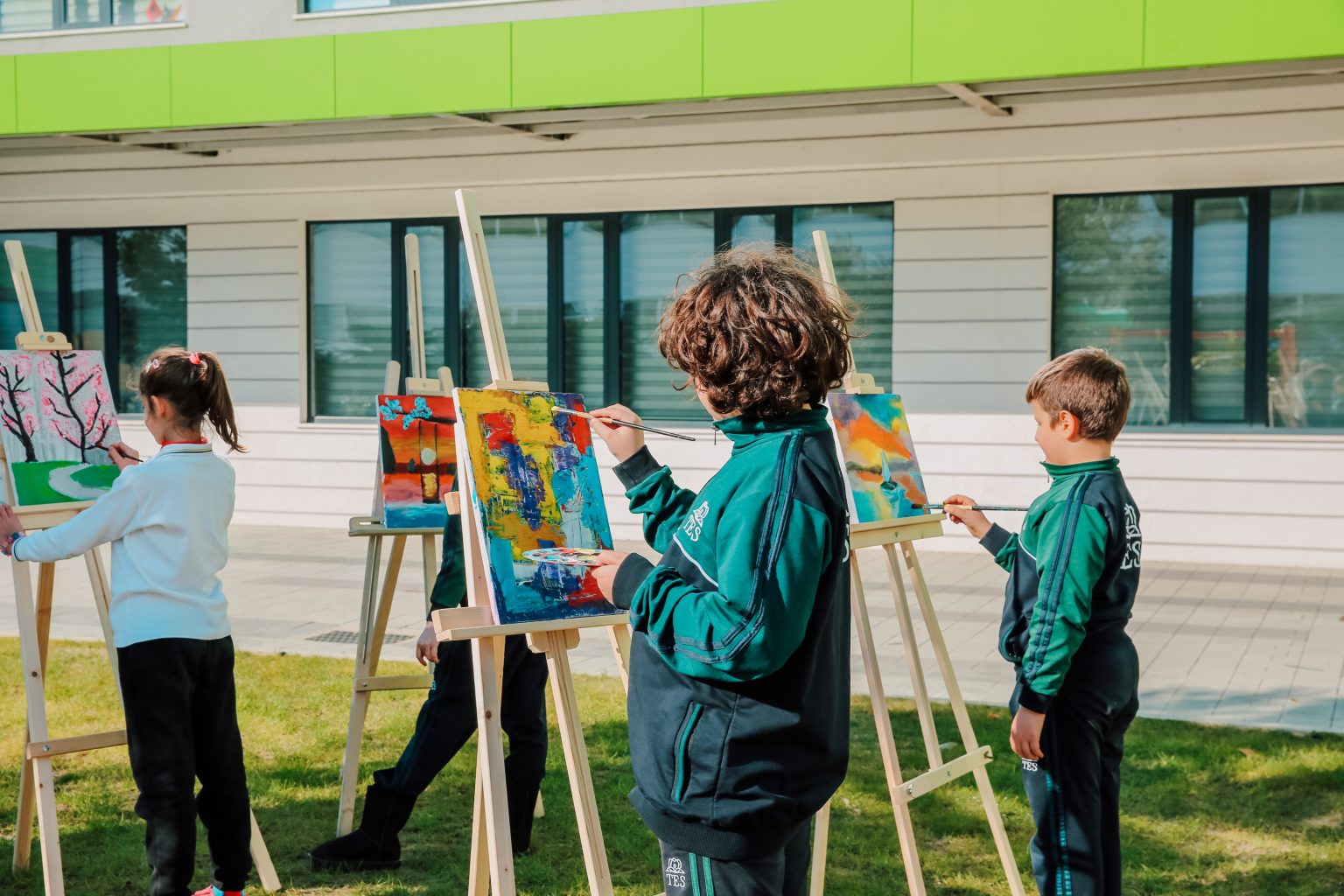
The program encourages students to explore different STEA2M careers and helps them identify their interests and passions. By shadowing professionals, students gain firsthand experience of various STEA2M disciplines, allowing them to make informed decisions about their future career paths.

The program pairs students with experienced mentors who serve as guides and role models. Mentors provide valuable advice, share their experiences, and help students navigate the challenges and opportunities within their chosen STEA2M field.

Through shadowing experiences, students acquire practical skills relevant to their areas of interest. They observe and participate in real-world projects, experiments, and problem-solving activities, enhancing their technical, creative, and critical thinking skills.

The program facilitates networking opportunities for students by connecting them with professionals, industry leaders, and fellow mentees. Building a strong professional network enables students to establish valuable connections, gain insights into industry trends, and open doors for future collaborations and internships.
Students are selected based on their expressed interest in STEA2M fields and their commitment to the program. A comprehensive application process may include written applications, interviews, and recommendations.
Once selected, students are paired with mentors who have expertise and experience in their desired STEA2M field. The pairing process takes into account mentees’ interests and goals to ensure a meaningful and productive mentorship relationship.
Mentees spend a designated period shadowing their mentors in their workplaces or research environments. They observe day-to-day activities, participate in projects, attend meetings, and gain exposure to the specific challenges and opportunities of the profession.
The program organizes workshops, seminars, and guest speaker sessions to supplement the shadowing experiences. These events cover various topics, including career readiness, personal development, STEA2M advancements, and emerging trends.

Regular check-ins and reflection sessions allow mentees to discuss their experiences, ask questions, and seek guidance from their mentors. Evaluation mechanisms are in place to assess the effectiveness of the program and identify areas for improvement.